
Therapy Support For BPD
A Borderline Personality Disorder (BPD) Diagnosis is the Beginning of Better Days
If you’ve recently been told you have BPD, or you’ve wondered whether it fits, you might be feeling a lot right now. Relief at finally having words for what you’ve been living with. Worry about what it means. Maybe both at once. All of that makes sense.
A diagnosis is a starting point for understanding yourself with more clarity and more kindness, and for finding support and building a life that truly fits you.
What BPD Can Feel Like
People living with BPD often feel emotions quickly, deeply and for longer than those around them. Relationships can matter enormously, and the fear of losing someone can feel overwhelming. You may notice your sense of who you are shifts, or that intense moments are hard to come down from.
These experiences are real, and your feelings when going through these experiences are valid. They are often how a sensitive nervous system learned to protect itself, frequently shaped by painful experiences earlier in life.
Strengths Often Seen With People Who Have BPD

BPD is usually talked about only in terms of struggle. That leaves out so much. In our work, we see many people with BPD bring remarkable strengths into their lives and relationships.
Below are just a few examples of positive qualities that people with BPD may have:
- Deep empathy. You often sense what others are feeling, sometimes before they say a word.
- A big capacity for love. When you care about someone, you care with your whole heart.
- Loyalty. The people in your life know you will show up for them.
- Emotional depth. You feel joy, beauty and connection fully, not halfway.
- Creativity and passion. You bring energy and imagination to your art, your work and the causes you believe in.
- A strong sense of fairness. You notice when something isn’t right, and you care about making it better.
- Resilience. You have been getting through hard things for a long time, often without the support you deserved.
- Warmth and humour. You can light up a room and help others feel less alone.
Not every one of these will describe you, and that’s okay. Your are your own person and have unique qualities.
With the right support, people with BPD build fulfilling, long-lasting relationships, become loving partners and parents, and create lives that feel meaningful to them. Research shows that many people with BPD see real, lasting improvement over time. Growth is not only possible, it’s common.
For the People Who Love Someone with BPD
If you’re here because you care about someone living with BPD, thank you for taking the time to learn. Your support matters more than you may realize.
Understanding BPD can help you see the person you love more clearly: someone who feels deeply and is doing their best with what they’ve been through. Supporting someone you love can also bring up a lot for you, and your wellbeing matters too. We’re happy to answer your questions about how therapy works and how you can support your friend or loved one.
How We Support People Living With Boaderline Personality Disorder
You are more than just your diagnosis, and your therapy should reflect that. Our therapists take an integrative approach, which means we draw on different methods to fit what you need. The therapists who work with BPD here at Integra are trained in Trauma-informed care and also in Dialectical Behaviour Therapy (DBT). This approach offers practical skills for riding out emotional waves, navigating relationships, coping with distress and staying grounded in the present moment.
Our therapists also address trauma, anxiety and depression, which can make BPD symptoms feel more intense. Caring for the whole picture helps the changes you make feel steady and lasting.
Above all, we work to create a space where you feel heard, respected and free from judgment.
Ready to start therapy?
Contact us through the form below, or call/email us at 289-252-2504 admin@integraskillscounselling.com to set up an appointment.
Meet Our Therapists At Integra Skills Counselling Who Support BPD Clients
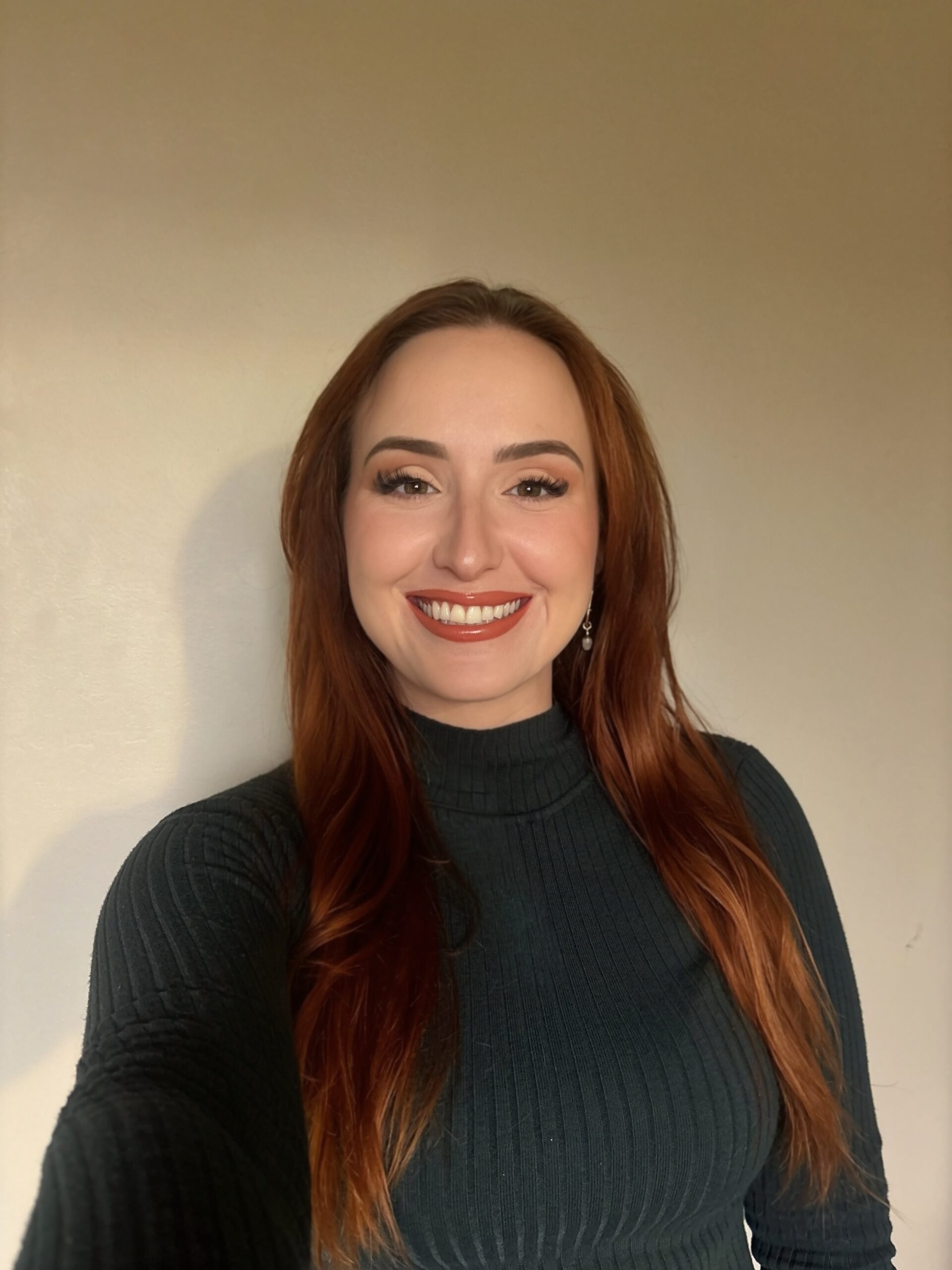

James offers supportive therapy in person and online at Integra’s Burlington location to people ages 18 years of age and older.
He helps people with anxiety, 2SLGBTQ+ related struggles, BPD, sexuality, identity, stress, and trauma.
James has lived experience as a gay man and as someone who has worked in the public sector as a Registered Social Worker, MSW for over 10 years.

Cheryl is an experienced therapist who sees couples and families (ages 18+). She works out of Integra’s Cobourg location.
Cheryl has an extensive history working with people who are neurodiverse (either on the Autism spectrum or with ADHD) and has a collaborative approach to therapy, meaning you are actively involved in your therapy process. She is someone who is able to support clients with diagnosis such as BPD, OCD, and other mental health challenges like anxiety and depression.
Her professional designation is Registered Psychotherapist.

Kaitlynn is an experienced therapist who offers therapy in person and online for couples, families and individuals ages 13+. She works out of Integra’s Cobourg location. Kaitlynn has specific training in addressing sex issues in therapy including sexual function & dysfunction.
If you are struggling with your relationships, trauma, sexual function and dysfunction, BPD, communication, parenting, stress, or your perinatal mental health, Kaitlynn is here to help.
Her professional designation is a Registered Psychotherapist.